Source Flexible Solar Panels for Mobile, Industrial & Light Industry
Explore 30 flexible solar panel options tailored for mobile phone charging, industrial systems, and light industry applications. Compare specifications such as mono silicon construction, CE certification, and portable designs to find the right supplier for your energy needs; compare the available evidence and request quotations based on your requirements.
Key considerations
Products List




Comprehensive Sourcing Guide
Flexible Solar Panel Sourcing Guide
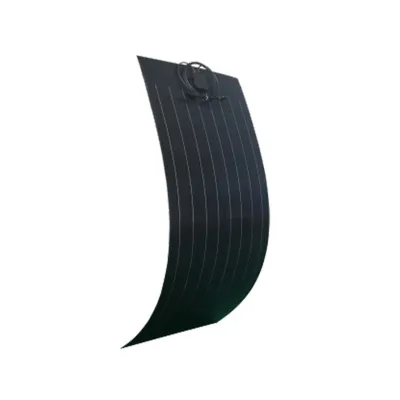
Buyers evaluating flexible solar panels must first distinguish between rigid crystalline modules and thin-film or monocrystalline silicon variants designed for curved surfaces. The observed market data indicates a wide spectrum of product models, ranging from specific portable units like the FLEX-03M-1.7M to larger industrial configurations. Procurement teams should verify whether the listed flexibility is a structural feature of the panel or merely a marketing term for lightweight rigid panels, as this distinction dictates installation methods and structural load requirements.
The application scope for these devices varies significantly from mobile phone charging accessories to large-scale industrial and light industry power systems. Sourcing decisions should align the panel's physical attributes, such as the presence of a charger adapter or specific dimensions, with the intended end-use environment. Buyers must confirm if the product is intended for stationary mounting or portable scenarios, as the required durability and connection interfaces differ substantially between a fixed rooftop installation and a mobile charging solution.
Product Scope and Observed Listing Signals
The current market listings reveal a diverse range of specifications, including models with 72 cells and others designed as compact 45W units weighing just 1.1kg. Procurement teams must carefully cross-reference the listed product model numbers, such as 012005 or FLEX-03M-1.7M, against the actual physical requirements of the project. The presence of specific attributes like "Portable" flexibility or "Without LED" indicators serves as a critical filter to eliminate incompatible inventory that does not match the operational needs of the buyer.
Listing signals also include packaging details and origin locations, which influence logistics planning and cost structures. Products originating from Shandong, China, or other regions may have different supply chain dynamics compared to those listed with generic origins. Buyers should scrutinize the packing specifications, such as "Strong Carton+Pallet" versus standard "Carton" packaging, to ensure the goods can withstand transit without damage, especially when ordering high-volume quantities that require palletized shipping for efficiency.
Technical Specifications to Verify
Technical verification begins with the core material composition, where monocrystalline silicon is a confirmed attribute for several listed units. Buyers must confirm the cell count and panel dimensions, as the observed data includes specific sizes like 2000x1000x80mm for flat panel collectors and smaller portable units. It is essential to validate the absorber area and gross area ratios, particularly for thermal applications where an absorption rate of 95% and emission rate of 6% are critical performance metrics for efficiency.
Further technical due diligence requires checking the specific construction details, such as the use of red copper tubes for head and riser pipes in thermal collectors. The thickness of these pipes, noted as 0.8mm for the head and 0.6mm for the riser, directly impacts the system's longevity and heat transfer efficiency. Additionally, the type of glass cover, such as low iron tempered glass at 3.2mm, and the insulation material, like 40mm glass wool, must be verified to ensure the product meets the thermal and mechanical stress requirements of the specific installation environment.
Compliance and Safety Documentation
Compliance verification is paramount, with CE and ISO certifications appearing frequently in the product attributes. Buyers must request valid certification documents that specifically cover the model being purchased, as the presence of a CE mark does not automatically guarantee compliance with all regional safety standards. The listing of CB and EST certifications alongside CE suggests a broader compliance framework, but procurement teams should ensure these documents are current and issued by accredited bodies relevant to the destination market.
Safety documentation also extends to the manufacturing process and material safety, particularly regarding the welding techniques and coating materials used. The use of laser welding and high selective bluetec titanium coating on absorbers indicates advanced manufacturing, but buyers should verify that these processes adhere to environmental and safety regulations. Ensuring that the supplier provides a Declaration of Conformity and detailed safety data sheets for all components, including the galvanized steel back sheet and tempered glass, is essential for risk mitigation during the import and installation phases.
Cost Drivers and Commercial Terms
Cost structures for flexible solar panels are heavily influenced by the complexity of the design and the specific materials used, such as monocrystalline silicon or specialized copper piping. The observed price range of 0.1 to 1,000,000 USD reflects the vast difference between small portable chargers and large industrial thermal collectors. Buyers should analyze the cost per watt or per square meter rather than the total unit price to accurately compare value across different product models and capacities.
Commercial terms, including Minimum Order Quantity (MOQ) and lead times, vary significantly based on the customization options available. The market data shows an MOQ range from 1 to 1000 units, allowing for both small trial orders and large-scale procurement. Buyers must negotiate clear terms regarding customization availability, as the ability to tailor the product to specific needs often incurs additional costs or extends the production lead time. Understanding these variables is crucial for budgeting and ensuring the project timeline remains feasible.
Supplier Qualification and Quality Control
Supplier qualification requires a rigorous assessment of their manufacturing capabilities and quality control systems, particularly for products with complex specifications like high selective coatings. Buyers should verify the supplier's history of producing items with the specific attributes observed, such as the 25-year warranty or the specific pipe dimensions. A supplier's ability to consistently deliver products with the stated absorption rates and emission rates is a key indicator of their technical competence and reliability.
Quality control protocols must be established to ensure that every unit meets the agreed-upon standards before shipment. This includes verifying the condition of the goods, which are listed as "New," and confirming that the packaging, such as strong cartons and pallets, is sufficient for the journey. Buyers should implement pre-shipment inspections to check for defects in the welding, glass cover integrity, and overall assembly. Establishing a clear quality assurance framework helps prevent disputes and ensures that the delivered products perform as expected in the field.
Long-Term Procurement Checks
Long-term procurement success depends on the durability and warranty support provided by the supplier, with a 25-year warranty being a significant factor in the decision-making process. Buyers must understand the specific terms of this warranty, including what components are covered and the conditions under which claims can be made. A robust warranty indicates the supplier's confidence in their product's longevity and their commitment to supporting the buyer over the product's lifecycle.
Continuous monitoring of the supply chain is necessary to ensure that the product specifications remain consistent over time. As the market evolves, suppliers may change materials or manufacturing processes, which could impact performance metrics like the absorption rate or the structural integrity of the copper pipes. Buyers should maintain open communication channels with suppliers to stay informed about any changes and to verify that future orders continue to meet the original technical and compliance requirements established during the initial sourcing phase.
FAQs
What certifications are available for flexible solar panels?
Flexible solar panels typically carry CE and CB certifications to ensure compliance with international safety and quality standards. Some manufacturers also provide ISO certification for their production processes. These credentials verify that the products meet rigorous testing requirements for electrical safety and performance reliability in various environments.
Can flexible solar panels be customized for specific applications?
Yes, customization is available for flexible solar panels to suit diverse needs. Buyers can specify particular models, such as the FLEX-03M-1.7M, to match their power requirements. Customization options often include specific dimensions, output ratings, and packaging preferences, ensuring the final product aligns perfectly with the intended use case.
What is the warranty period for these solar panels?
The standard warranty period for these solar panels is 25 years. This long-term coverage reflects the durability and reliability of the monocrystalline silicon cells used in construction. Buyers benefit from extended performance guarantees, ensuring consistent energy output and protection against defects over the operational lifespan of the installed system.
How are flexible solar panels packaged for shipping?
Flexible solar panels are packaged in strong cartons and placed on pallets for secure transport. This robust packaging method protects the panels from damage during transit. The use of sturdy materials ensures that the products arrive in pristine condition, ready for immediate installation or further distribution to end-users without risk of harm.
What is the typical MOQ for ordering flexible solar panels?
The minimum order quantity for flexible solar panels ranges from 1 to 1000 units. This flexible MOQ structure accommodates both small-scale buyers and large industrial purchasers. Suppliers offer this range to facilitate easier entry for new clients while still supporting bulk orders for commercial projects requiring significant energy capacity.
Where are flexible solar panels typically manufactured?
Flexible solar panels are typically manufactured in China, with specific production often located in regions like Shandong. This geographic concentration allows for efficient supply chains and competitive pricing. Buyers can expect high-quality manufacturing standards supported by established industrial infrastructure in these key production hubs across the country.